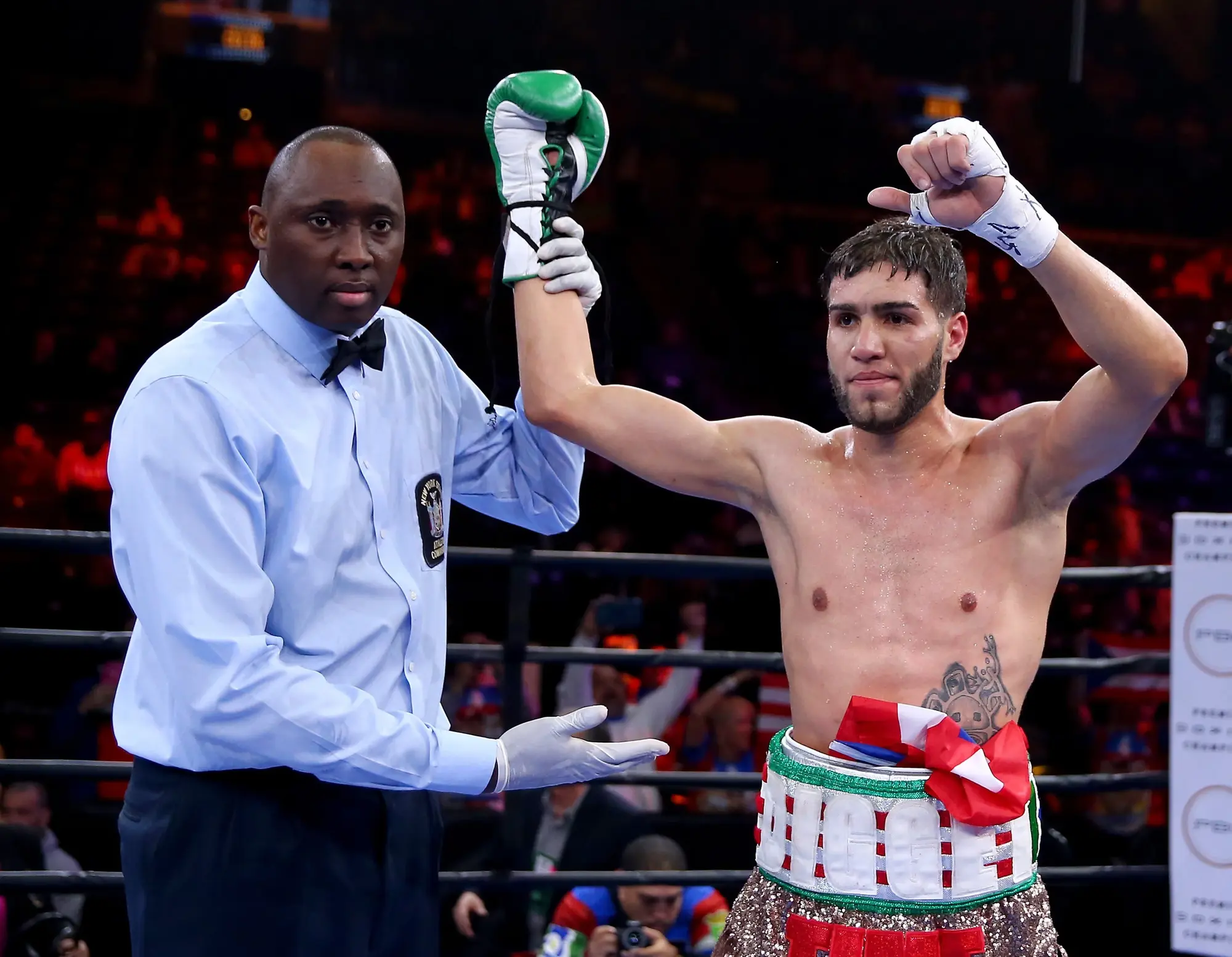
Prichard Colón dies aged 33, more than a decade after a brutal blow inside the boxing ring left him fighting for his life. His father confirmed the sad news this week, closing a painful chapter that began back in 2015. Colón’s death has now reignited conversations about safety inside the sport he once dominated.
Who Was Prichard Colón?
Before tragedy struck, Prichard Colón was one of boxing’s brightest young talents. Born in Florida and raised in Puerto Rico, he built an unbeaten record of 16 wins and 13 knockouts as a junior middleweight. Consequently, many experts tipped him as a future world champion. His speed, power, and confidence made him a fan favorite early in his career.
The Fight That Changed Everything
Everything changed on October 17, 2015. That night, Colón stepped into the ring against Terrel Williams in what should have been another step toward stardom. Instead, it became the fight that ended his career forever.
How the Injury Happened
During the bout, Williams repeatedly struck Colón in the back of the head and neck. These illegal hits, known as rabbit punches, target a sensitive area near the base of the skull. As a result, Colón was knocked down twice in the ninth round.
Afterward, he walked to his dressing room under his own power. However, he soon became dizzy, vomited, and collapsed. Doctors rushed him into emergency surgery after discovering severe bleeding on his brain.
| Event | Date | Detail |
| Fight vs. Terrel Williams | Oct 17, 2015 | Repeated rabbit punches lead to collapse |
| Emergency surgery | Oct 2015 | Brain bleed treated |
| Coma | 2015-2016 | Lasted 221 days |
| WBC rule introduced | 2016 | Zero tolerance for rabbit punches |
| Death confirmed | Aug 13, 2026 | Announced by his father, Richard Colón |
Life After the Injury: A Decade of Struggle
Following the surgery, Colón slipped into a coma that lasted 221 days. When he eventually woke up, he could not walk or speak. Nevertheless, his family refused to give up hope.
For the next ten years, his parents cared for him around the clock. Meanwhile, they shared glimpses of his recovery on social media, including videos of him smiling, attending physical therapy, and celebrating birthdays. Although he never fully regained his mobility or speech, his resilience touched thousands of fans worldwide.
The “Prichard Colón Rule”: His Lasting Legacy
Colón’s injury did not happen in vain. In 2016, the World Boxing Council introduced what fans now call the “Prichard Colón Rule.” This regulation instructs referees to apply zero tolerance toward blows to the back of the head. Therefore, any fighter who lands a rabbit punch now risks immediate point deductions or disqualification.
In other words, his suffering directly reshaped how referees officiate the sport today. Consequently, fewer fighters face the same risk that ended his career.
Tributes Pour In After His Death
Following the announcement, tributes flooded in from across the boxing community. The World Boxing Organization described his ordeal as a testament to resilience and family love. Meanwhile, fans and fellow fighters shared memories of his courage throughout his recovery.
His father, Richard Colón, who also served as his coach, shared the emotional news on social media. He thanked supporters for years of prayers and asked for continued support during this difficult time.
What Prichard Colón’s Story Means for Boxing Safety?
Ultimately, Prichard Colón’s story serves as a powerful reminder of the risks fighters accept every time they step into the ring. Although boxing has always carried danger, his case pushed officials to tighten safety rules significantly. As a result, referees today watch more closely for illegal strikes to the head and neck.
Furthermore, his journey highlights the importance of post-fight medical care and long-term support for injured athletes. Combat sports organizations continue to study his case when developing new safety protocols.
In conclusion, Prichard Colón dies aged 33, but his legacy lives on through the rule that bears his name. His decade-long fight for survival changed boxing for the better, and his story will likely influence safety standards for years to come.