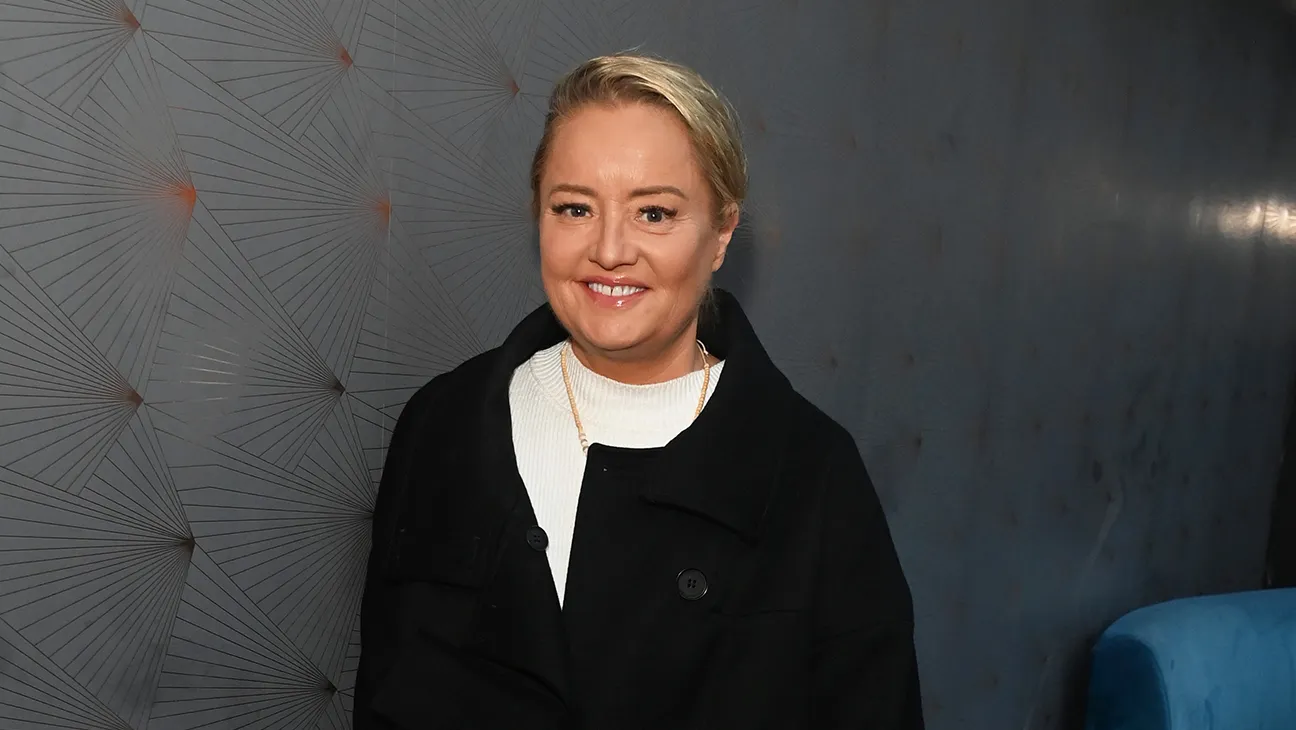
Lucy Davis, the actor best known for playing Dawn Tinsley in the British version of “The Office,” Lucy Davis reveals she has stage 4 breast cancer. The 53-year-old star broke the news in an emotional Instagram post this week, telling fans that the cancer is incurable and has already spread to her bones. Her honesty has struck a chord with fans and fellow survivors around the world, and it has also sparked fresh conversation about early breast cancer detection.
In her post, Davis explained that she was first diagnosed about 18 months ago. She had chosen to keep the diagnosis private until now. However, she felt it was time to share her story publicly, both for herself and for others going through something similar.
Who Is Lucy Davis?
Davis is a British actor with a long career in film and television. She is widely recognised for her role as Dawn Tinsley in the original UK version of “The Office,” a part that helped launch her to international fame. She also played Hilda Spellman in Netflix’s “Chilling Adventures of Sabrina,” and appeared in films such as “Shaun of the Dead” and “Wonder Woman.” Because of this varied career, her cancer announcement has reached a wide, global fanbase.
How Lucy Davis Found Out She Had Cancer?
According to her post, Davis noticed something unusual in her breast that did not feel like a typical lump. She described it as a “hard spot” rather than a lump, and said it was small enough that she almost skipped getting it checked.
“I almost didn’t bother getting it checked,” she wrote, urging others not to make the same mistake. She has since encouraged her followers to get any unusual changes examined by a doctor, no matter how minor they seem.
The “Tiny Hard Spot” She Almost Ignored
This detail matters because it highlights a common misconception about breast cancer symptoms. Many people assume a cancerous lump will feel large or obvious. In reality, early-stage changes can be subtle, small, or easy to dismiss. Davis’s experience is a reminder that any new or unusual change in breast tissue deserves medical attention, even if it seems minor at first.
What Stage 4 Breast Cancer Means?
Stage 4 breast cancer, also called metastatic breast cancer, means the cancer has spread beyond the breast to other parts of the body. At this stage, doctors generally consider the cancer to be treatable but not curable. Treatment usually focuses on slowing the disease and maintaining quality of life rather than eliminating it completely.
In Davis’s case, she shared that chemotherapy is no longer a treatment option for her. This is not unusual for some stage 4 cases, since the right course of treatment depends heavily on where the cancer has spread, how it responds to earlier treatments, and each patient’s overall health.
Where the Cancer Has Spread
Davis revealed that the cancer has metastasized to her spine, right hip, and ribs. Because of this, she said she may sometimes need to use a wheelchair. Even so, she approached the topic with her characteristic humor, telling fans not to hesitate to give her a friendly push if they spot her getting around in one.
Lucy Davis’s Message to Fans
Despite the seriousness of her diagnosis, Davis’s message was notably calm and hopeful. She wrote that she is not afraid of what comes next and described herself as at peace with her situation. She also said any grief connected to her diagnosis belongs to the people who love her, since she has already made peace with it herself.
Importantly, Davis made clear she has no plans to stop living fully. She intends to keep acting, which she called one of the biggest joys in her life, and to continue her advocacy work for animal rights. Her outlook reflects a message she hopes others facing cancer can hold onto: a diagnosis does not have to mean the end of purpose or joy.
Support From Other Breast Cancer Survivors
The comments section of Davis’s post quickly filled with support, including messages from other public figures living with metastatic breast cancer. TV presenter Sophie Blake, who has been living with stage 4 breast cancer for more than four years, shared that she too continues living life fully, with some adjustments. Other commenters, including long-term survivors of seven or more years, encouraged Davis to hold onto hope.
This wave of support reflects a wider truth about metastatic breast cancer: while it is not curable, many people live active, meaningful lives for years after diagnosis, thanks to ongoing advances in treatment.
Why Early Detection Still Matters?
Medical experts consistently stress that catching breast cancer early gives patients the best chance at a full recovery. Generally speaking, smaller lumps found early are more likely to be treatable before they spread. That said, even a small lump can sometimes mean the cancer has already spread elsewhere in the body, which is exactly what appears to have happened in Davis’s case.
Newer treatments, including therapies targeted at specific genetic mutations, are helping many stage 4 patients manage the disease more effectively than in the past. Regular screening, self-checks, and prompt medical visits for any unusual changes remain some of the most effective tools for early detection.
FAQs About Lucy Davis and Her Diagnosis
When was Lucy Davis diagnosed with breast cancer? She was diagnosed roughly 18 months before publicly announcing it, meaning her diagnosis dates back to early-to-mid 2025.
Where has Lucy Davis’s cancer spread? She has said the cancer has metastasized to her spine, right hip, and ribs.
Is Lucy Davis still acting? Yes. She has said she plans to keep working and continue her advocacy for animal rights.
Is stage 4 breast cancer curable? No. Stage 4, or metastatic, breast cancer is generally considered treatable but not curable. Treatment focuses on managing the disease and preserving quality of life.
Lucy Davis reveals she has stage 4 breast cancer, and she decided to speak openly about her stage 4 breast cancer diagnosis has already inspired an outpouring of support and renewed attention to the importance of checking any unusual changes in the body, no matter how small they may seem.