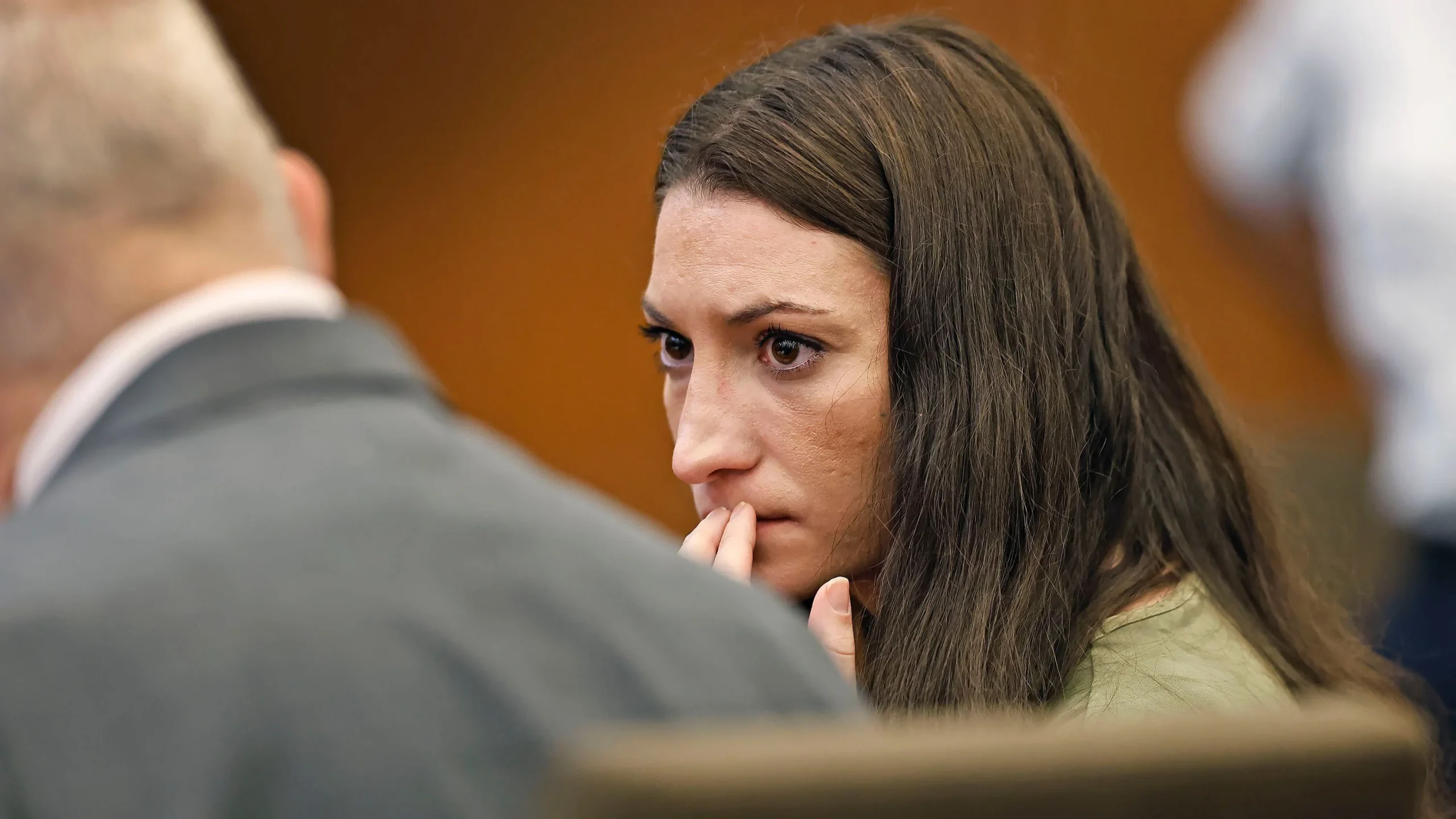
The defense lawyer takes aim at the psychiatrist’s care in the Lindsay Clancy murder trial, questioning whether poor mental healthcare played a role in the tragedy. During cross-examination this week, attorney Kevin Reddington challenged Dr. Jennifer Tufts on her training, her treatment methods, and how closely she actually monitored her patient before the unthinkable happened.
Who Is Lindsay Clancy, and What Is She Accused Of?
Lindsay Clancy, 35, is on trial in Plymouth, Massachusetts. She faces three counts of murder in the deaths of her children: Cora, 5, Dawson, 3, and Callan, 8 months old. Clancy has not denied causing their deaths. However, she has pleaded not guilty, arguing that she was in the grip of postpartum psychosis at the time. After the incident, she also harmed herself and jumped from a second-story window at her home.
Her defense team is now working to show that her mental health crisis was missed, or even worsened, by the very professionals meant to help her.
The Psychiatrist Never Met Her Patient in Person
One of the most striking moments of the trial came when Dr. Tufts admitted she had never met Clancy face-to-face. Every single appointment took place over telehealth video calls. As a result, she could not fully observe her patient’s body language or physical condition during sessions.
Telehealth Sessions and What They Missed
Because the sessions were conducted remotely, Tufts could not see below Clancy’s shoulders. This meant she may have missed physical signs of stress or deteriorating health. Telehealth has made mental healthcare more accessible in recent years. Still, this case raises real questions about its limits when a patient’s condition is serious and rapidly changing.
Questions Over Qualifications and Website Claims
Reddington also pressed Tufts about her credentials. He pointed out that she received her full psychiatric board certification on the very same day Clancy first reached out for help. In other words, Tufts had just become authorized to treat patients and prescribe medication without supervision when their relationship began.
Was the “Postpartum Specialist” Label Misleading?
Reddington noted that Tufts’ website described her as having a special interest in postpartum care. He suggested this wording may have misled Clancy into believing she was working with a true specialist. Tufts pushed back, saying she never claimed to be an expert. Instead, she described postpartum mental health as an area of personal interest, not a specialty.
How Long Were the Therapy Sessions, Really?
A separate malpractice lawsuit filed by Clancy claims that her telehealth therapy sessions lasted only 17 minutes each. On the stand, Tufts disputed this. She said her full sessions ran between 25 and 30 minutes. According to her, the 17-minute figure only reflected the therapy portion of the appointment, not the entire visit.
When asked what her therapy sessions actually involved, Tufts said she mainly listened to Clancy’s concerns and offered emotional support and encouragement.
Warning Signs the Psychiatrist Missed
Perhaps the most concerning part of the testimony involved missed warning signs. Tufts said Clancy had denied feeling suicidal, but admitted she was “close” to those thoughts. However, Tufts’ own notes did not record how often these feelings occurred.
Suicide Hotline Calls and Hospital Visits She Didn’t Know About
Tufts also testified that she was unaware Clancy had reportedly called suicide hotlines twice before the tragedy. In the weeks leading up to her children’s deaths, Clancy had also tried to admit herself to multiple hospitals for inpatient care. Yet Tufts never reviewed those hospital records afterward. She explained that she felt it was unnecessary, since Clancy had already shared what she considered relevant information herself.
Tufts also acknowledged she could have asked Clancy to sign HIPAA release forms. These forms would have given her full access to hospital treatment records. Still, she decided against it, again calling it unnecessary at the time.
What Happens Next in the Clancy Trial?
Tufts continues to deny any wrongdoing in the separate civil malpractice case, which also names her employer and other treating doctors as defendants. Meanwhile, the criminal trial continues, with the defense working to build its case around gaps in Clancy’s mental healthcare.
As the trial progresses, this case is likely to spark wider debate about telehealth psychiatry, prescribing standards, and how mental health warning signs are tracked and shared between providers. The defense lawyer takes aim at the psychiatrist’s care once again as testimony continues, and the outcome could shape how future malpractice and insanity-defense cases are argued.